
Individuals who have health concerns should seek medical advice from their healthcare provider before contacting their local health department. If you’ve decided that moderation is the best way for you, help is available. At Ria Health, we believe that abstinence is not the only way to control your drinking. Instead, our modern, evidence-based approach offers online support to help you gradually reduce how much you drink. Our program lets you meet with a recovery coach over the internet once a week, and keep track of your drinking habits via the Ria app.
- And it also addresses what many experts see as a treatment gap.
- Get helpful tips and guidance for everything from fighting inflammation to finding the best diets for weight loss…from exercises to build a stronger core to advice on treating cataracts.
- Explore topics related to alcohol misuse and treatment, underage drinking, the effects of alcohol on the human body, and more.
- If you are having a very difficult time with urges, or do not make progress with the strategies in this activity after a few weeks, then consult a healthcare professional for support.
- It’s common to have a difficult time when making big changes, but good self-care practices can help you manage overwhelming feelings and take care of your mind and body.
Support and resources
Alcohol impacts our sleep, relationships, weight, risk for serious chronic conditions and more. By avoiding alcohol, you’re taking a big step toward improving physical health. As you begin to notice those health benefits, you’ll likely feel more energized and inspired to keep up your progress. If you turn to alcohol to manage emotional distress, the added overwhelm can prompt the urge to drink, making success seem even more out of reach.
- And keeping track over time gives you the chance to see if your efforts to reduce your urges and cravings are working.
- While the FDA has not approved naltrexone for moderate drinking in the U.S., it is used for this purpose in Europe.
- Carefully expose yourself to these triggers while you’re with someone who’s supportive of you.
- It is better to accept them as normal and actively treat them through a variety of methods, including possibly taking medication.
- Plant stanols and sterols are plant versions of cholesterol.
- There is strong evidence to support regular exercise and physical activity as a way to lower blood pressure.
Health Categories to Explore
Here are five techniques that can help you exercise alcohol self-control. This can be a helpful strategy early in your efforts to change your drinking and manage your urges. Have friends over for dinner that you make (unless drinking how to control drinking heavily while you’re cooking is part of your routine). A tranquiliser called chlordiazepoxide is usually used for this purpose. If your body is used to a certain amount of alcohol, you may feel certain effects when you stop.

Avoid tempting situations.
One technique to help you be honest with yourself is to take four coins (or as many coins as you are planning to have drinks that night) and place them in your back pocket. Each time you take a drink, move one of the coins into your other pocket. This way, when your coins run out, you can be sure not to exceed the previously determined limit that you imposed on yourself. If one has never exhibited signs of alcoholism, then controlled drinking, a technique or approach that is a form of harm reduction, is a reasonable yet delicate first step. If one wants to pursue this approach, it is best not to go it alone.

To determine whether—and where—you fall in the alcohol use disorder (AUD) spectrum, answer the following questions. Chlorine was first used in the United States as a major disinfectant in 1908 in Jersey City, New Jersey. Chlorine use became more and more common in the following decades, and by 1995 about 64% of all community water systems in the United States used chlorine to disinfect their water. Unsaturated fats, soluble fiber, and plant sterols or stanols can increase “good” HDL and decrease “bad” LDL. If your cholesterol is out of balance, lifestyle interventions are the first line of treatment.
Take Advantage of “Getting Back to Normal” to Revisit Your Relationship with Alcohol
One way or another, if you can change your response to the urge, you can then change your response to the negative feelings. Consider how giving into an urge keeps it alive while not giving in to the urge slowly kills it. While you can’t make the urge go away, you can see it for what it is. On general principle, you don’t have to reason it out yet again. Whenever you get the idea to resume drinking, you can tell that idea to go to hell.
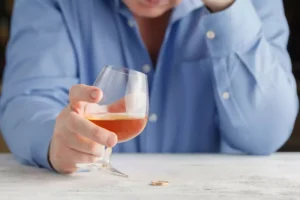
- But maybe you’re unsure about quitting completely and don’t want to hold yourself to that goal.
- Moderation can open a window for you to defuse the emotional challenges that create the craving for relief that alcohol provides.
- Tell trusted family and friends about your plan to quit or cut back on alcohol.
- One technique to help you be honest with yourself is to take four coins (or as many coins as you are planning to have drinks that night) and place them in your back pocket.
Changes in diet, weight loss, exercise, medication, stress reduction, quitting smoking and alcohol, and improving sleep quality can all lower your blood pressure long term. Water system pipes develop a layer of biofilm (slime) that makes killing germs more difficult. Water providers may temporarily switch from chloramine to chlorine disinfection to help remove this slime layer. People who are trying to become mindful drinkers may also start noticing their emotions and feelings when drinking and how they interact with the other people around them. Becoming aware of how and when a person drinks may help them understand what part alcohol plays in their life.
- Once you are able to allow yourself some alcohol in controlled circumstances, you may ultimately choose to give up drinking entirely.
- She realized that she used alcohol as a reward for a hard week’s work.
- One way or another, if you can change your response to the urge, you can then change your response to the negative feelings.
- Germs can also contaminate water as it travels through miles of piping to get to a community.
- You will need professional assistance to determine what this safe limit is for you.
Complete sobriety might not always be a realistic solution for heavy drinkers.
Remember, you are more aware that you are not drinking your normal amount or that you have reduced your consumption, and others probably aren’t even aware that you made any changes. Try to reduce your alcohol consumption, especially if you’re already at risk or have high blood pressure. The CDC recommends that men drink no more than two alcoholic drinks daily, and women no more than one. Chloramine levels up to 4 milligrams per liter (mg/L) or 4 parts per million (ppm) are considered safe in drinking water. At these levels, harmful health effects are unlikely to occur.